


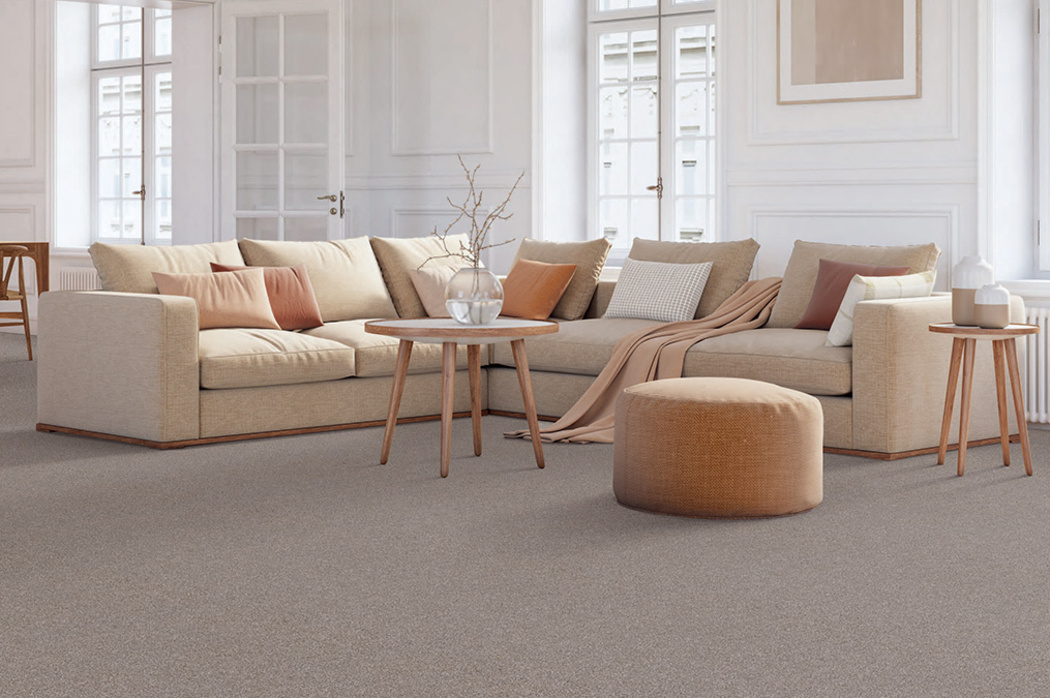
Imagine a flooring sample book open on your kitchen table. Every swatch looks soft, neutral, and a little bit alike, until you flip the tags and the jargon starts: plush, berber, frieze, pattern (sometimes referred to as cut-and-loop). Suddenly a simple choice feels like a vocabulary test, and you still have a living room, a couple of kids, and a dog to think about.
Deciding on a carpet color can be difficult enough. Here are the types of carpet explained in plain language, with the trade-offs you should know before you buy any carpet.
The main types of carpet are plush, berber, frieze, and cut-and-loop. Each differs in how its fibers are shaped: cut or looped, short or long, straight or twisted. That construction affects how the carpet looks, how it feels underfoot, and how well it handles foot traffic, pets, and everyday wear.
Types of Carpet Explained: How Pile Makes the Difference
Carpet types differ mainly by pile, which is the visible surface of yarn loops or cut tufts. Whether the yarn ends are cut or left looped, how tightly they are twisted, and how tall they stand all shape the finished look.
Three terms come up often:
Pile height: how tall the yarn stands above the backing. Taller pile usually feels softer but can show more footprints.
Twist: how tightly the yarn strands are spun. Tighter twist generally helps a carpet hold its shape.
Density: how closely the tufts are packed. Dense carpet tends to feel sturdier and more supportive underfoot.
Fiber type and padding matter too, so it's worth looking at the whole package. For a broader walk-through of choosing carpet, see how to find the best carpet for your home.
What Is Plush Carpet?
Plush carpet is a cut-pile style with a smooth, velvety surface and a soft, upscale feel. The yarn ends are cut and stand fairly upright, which creates that sink-your-toes comfort many people picture when they think of carpet.
Where it shines: bedrooms, formal living rooms, and other low-to-moderate traffic spaces where comfort and a polished look come first.
What to watch for: plush carpet can show footprints and vacuum marks. Those light and dark patches are part of the look, though some homeowners find them annoying in busy rooms. Darker or more flecked colors can help soften that effect.
Because plush is all about comfort underfoot, the cushion beneath it matters. Learn more in this guide to carpet padding types.
Tip: If you love the plush look but have an active household, ask a flooring professional about denser, tightly twisted options, which are built to hold up better.
What Is Berber Carpet?
Berber carpet is a loop-pile style, meaning the yarn is looped rather than cut. It's known for a nubby, textured look, often in neutral, flecked tones. Berber originally referred to hand-woven wool rugs, but today the name describes the looped construction.
Where it shines: family rooms, basements, hallways, and home offices. The tight loops give it a casual, low-profile feel and can help it stand up to regular foot traffic.
What to watch for: loops can snag. Pets with claws, or a stray zipper or toy, can pull a loop and create a visible run. If you have cats or a dog that likes to dig, talk with a flooring professional before choosing a looped style. Our guide to pet-friendly carpet covers more on this.
What Is Frieze Carpet?
Frieze carpet (pronounced "free-zay") is a cut-pile style with long, tightly twisted fibers that curl in different directions. The result is a casual, textured surface with a slightly shaggy, relaxed look.
Where it shines: busy living areas, kids' rooms, and playrooms. The curly texture is good at hiding footprints, vacuum tracks, and everyday wear, so it often looks tidy longer than smoother carpets. Frieze often earns a spot on lists of carpet for active households. It can be a smart middle ground if you want a cut-pile feel without constant footprint patrol.
What to watch for: the look is more rustic and relaxed than formal. Some people find the texture less soft than plush, and the longer fibers can feel a bit coarse. It also suits traditional and cottage-style spaces better than sleek, ultra-modern ones.
What Is Pattern Carpet?
Pattern carpet, also called cut-and-loop carpet, combines cut fibers and looped fibers at different heights to create a sculpted pattern. Think of it as pattern carpet with built-in design: geometric shapes, subtle waves, or textured lines without any printed pattern.
Where it shines: stairs, hallways, and living rooms where you want visual interest and good camouflage. The patterned surface helps hide dirt and wear, which makes it a practical pick for busy zones. On stairs, professional installation helps ensure patterns line up cleanly along each step.
What to watch for: the mix of loops means snagging is still possible, though the surrounding cut fibers can offer some cushion. Patterns can also feel busy in a small room, so consider scale and how it pairs with your furniture and wall color.
Cut-and-loop is a good example of how carpet flooring can add character underfoot without relying on bold color.
Types of Carpet Explained Side by Side
Here's a quick comparison to help you narrow your choices. Values are general, since fiber, density, and construction vary from product to product.
Feature | Plush | Berber | Frieze | Pattern |
Construction | Cut pile | Loop pile | Cut pile, twisted | Cut and loop mix |
Feel underfoot | Soft, velvety | Firm, textured | Casual, springy | Varies by pattern |
Look | Formal, smooth | Casual, nubby | Relaxed, curly | Sculpted, patterned |
Shows footprints | Often | Less likely | Less likely | Less likely |
Snagging concern | Lower | Higher | Lower | Moderate |
Best fit | Bedrooms, formal rooms | Basements, offices | Busy family spaces | Stairs, hallways |
Which Type of Carpet Is Best for Your Home?
The best type of carpet depends on how you live. Start with the room, then think about who uses it and how much upkeep you want to take on.
Bedrooms: plush carpet is a natural fit for comfort and a calm, cozy mood.
Family rooms and playrooms: frieze or pattern carpet can help hide wear and everyday messes.
Basements and home offices: Berber carpet's low-profile loops suit casual, practical spaces. If moisture is a concern, talk with a flooring professional about your options, including indoor-outdoor carpet, and remember that padding choice matters too.
Stairs and hallways: cut-and-loop and tightly twisted cut-pile styles are popular because they are built to handle frequent steps.
Homes with pets: consider pile type carefully. Loops can catch claws, while dense cut-pile or frieze may be a better match.
Budget-minded shoppers: prices vary by fiber, density, and padding more than by style name alone, so compare complete options rather than guessing from the label.

Common Carpet-Buying Mistakes to Avoid
A few missteps come up again and again. Steer clear of them and you’re more likely to be happy with the result.
- Choosing by softness alone. A sample that feels amazing in your hand may not hold its shape in a high-traffic hallway. Check density and twist, not just feel.
- Skipping the padding conversation. Padding affects comfort, sound, and how well carpet wears. It's a real part of the decision, not an afterthought.
- Judging color from a tiny swatch. Lighting changes everything. View samples in your own room, in morning and evening light. The Empire® floor designer can help you picture the result.
- Ignoring your household. Pets, kids, and entertaining habits should steer your pile choice more than trends do.
- Forgetting care needs. Vacuum regularly and clean spills quickly, and check with your manufacturer for approved cleaners and care steps. Some carpets also come with specific care guidance, so follow the product care information that applies to you.
Frequently Asked Questions
What are the main types of carpet?
The main types are plush, berber, frieze, and pattern. Plush and frieze are cut-pile styles, berber is loop pile, and pattern combines both. Each offers a different mix of softness, texture, and durability, so the right one depends on the room.
Which carpet type is most durable?
Durability depends on fiber, density, and twist as much as style. Berber, frieze, and pattern are often chosen for busy areas because their texture helps hide wear. A flooring professional can help you compare specific products for your household.
Is plush carpet a good choice for high-traffic areas?
Plush carpet can work, but it may show footprints and vacuum marks more than textured styles. It's often best in bedrooms and formal rooms. If you want it in a busier space, ask about denser, tightly twisted options.
Is Berber carpet good for homes with pets?
It can be, but it depends on your pet. Loops may snag on claws, especially with cats or diggers. Dense cut-pile or frieze may be a better fit for some homes. Check with a flooring professional about specific products.
What is the softest type of carpet?
Plush is generally the softest, thanks to its dense, cut-pile surface. Softness also depends on fiber type, pile height, and the padding underneath, so feel samples in person and compare a few options before you decide.
Choosing the Right Type of Carpet
The types of carpet explained here come down to a simple framework. Plush brings softness and a formal look, Berber offers a casual, looped texture, frieze hides wear with a relaxed curl, and pattern carpet adds sculpted pattern. Match the style to the room, your household, and your upkeep appetite.
Ready to see how these options look in your own space? If you live in one of Empire®'s service areas, you can schedule a FREE in-home estimate with Empire Today® and a flooring professional will bring carpet samples to your home. You can also keep exploring the Inspiration Center for more ideas!
