


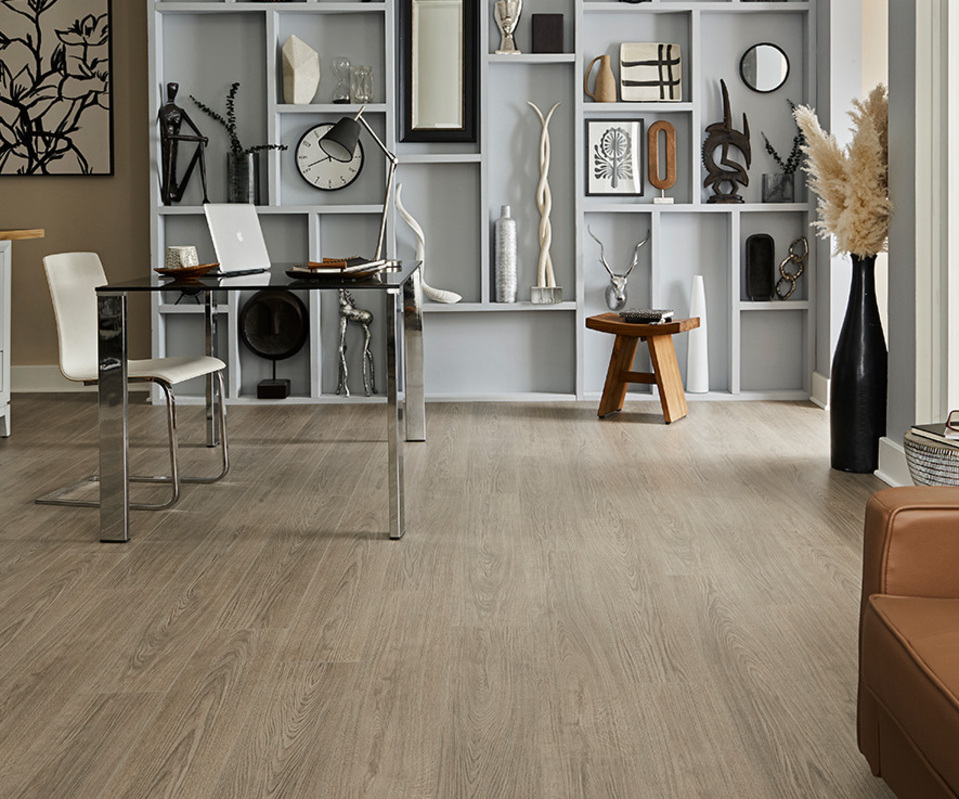
You love the visual warmth of a wood floor, but the mudroom sees muddy boots, the bathroom sees steam, and the dog does not always wipe her paws before coming inside. That is usually the moment homeowners start looking into wood-look tile flooring, and it’s easy to see why. It gives you the look of natural wood grain with a surface designed to handle everyday life.
The tricky part is that "wood-look tile" is not one single product. Porcelain and ceramic perform differently, plank sizes and textures change the whole feel of a room, and a tile's label only tells part of the story. Let's explore how to compare materials, styles, and durability so you can choose the best wood-look tile flooring for the way you actually live.
Why Wood-Look Tile Flooring Works So Well in Real Homes
Wood-look tile flooring earns its popularity by solving a common dilemma: you want the character of wood, but some rooms are not the friendliest environment for it. Instead of worrying about spills, humidity, or pet traffic the way you might with certain wood surfaces, you get a floor designed for high-activity spaces.
Manufacturing has also come a long way. Today's tile can replicate grain movement, knots, saw marks, and wire-brushed textures convincingly enough that guests often have to look twice. That means a rustic farmhouse look, a smooth contemporary style, or a breezy coastal feel are all on the table without relying on actual timber underfoot.
It is also flexible from a layout perspective. Wood-look flooring can flow from an open-concept kitchen into a bathroom or laundry room, creating a seamless look throughout the main level while giving you tougher performance where you need it most.
Porcelain vs. Ceramic: Comparing the Two Main Materials
Most wood-look tile is made from porcelain or ceramic, and while both can look beautiful, they do not perform identically. Porcelain tile is generally denser and less porous, which makes it a strong choice for moisture-prone rooms and heavy foot traffic. Think kitchens, bathrooms, and entryways.
Ceramic wood-look tile can still be a smart pick in the right setting. It often works well in bedrooms, home offices, or other lower-traffic rooms where extreme moisture and impact resistance are less of a priority.
- Density: Porcelain is typically higher, ceramic is typically lower.
- Moisture performance: Porcelain often provides stronger protection; ceramic is fine for many interior uses.
- Best-fit rooms: Porcelain suits kitchens, baths, and busy entries; ceramic suits bedrooms and lighter-use spaces.
- Installation: Porcelain can be harder to cut, while ceramic is often easier to work with.
Don't stop at the label, though. Check the tile's rating, recommended applications, and thickness, and follow the manufacturer's guidance for your specific room. A porcelain tile made for a wall is not the same product as one engineered for an active floor.
Wood-Look Tile Styles to Explore
Seeing real names and colors makes the comparison easier. Empire Today® carries a selection of porcelain and ceramic wood-look tile, and you can browse the full lineup on their wood-look tile flooring page. Here are a few styles from two lines to help you picture how color and grain can shape a room. Check each product page for current specifications, sizes, and recommended applications before you decide, and explore more ideas on the Inspiration Center while you compare.
Timber Falls
- Apache: The Timber Falls Apache porcelain tile has the look of natural wood planks. Look at the product page for the exact color notes, plank size, and finish.
- Bourbon: The Timber Falls Bourbon color suits homeowners who lean toward warm, inviting tones. Compare it next to Apache to see how undertone changes the mood of the same plank style.
Riverbank
- Chesapeake Grey: The Riverbank Chesapeake Grey tile is a cooler, weathered-wood direction that can pair well with modern or coastal-leaning spaces. Review the product page for details on texture and size.
- Natural Driftwood: The Riverbank Natural Driftwood tile has a softer, sun-bleached feel that can help a smaller room feel open and relaxed. Check the product page for specifications before you plan your layout.
Tip: Put a warm option and a cool option side by side in your own lighting. A color that looks balanced in a display can read very differently next to your cabinets, walls, and natural light.
Style Details That Make the Floor Look Convincing
A realistic wood-look floor is built from several small design decisions working together, not just a color you liked in the showroom. Start with undertone: warm browns and honey tones tend to feel inviting, pale oak and greige lean modern, and dark walnut looks dramatic but may show dust or hard water marks more easily.
Texture adds another layer of realism. A gently textured surface can mimic real grain and add traction, which is useful in kitchens and bathrooms. Heavy texture can trap dirt if it is not cleaned regularly, so check with your manufacturer for approved cleaning methods. Smooth finishes feel sleek but sometimes read as more "tile" than "wood."
Plank size shapes the mood of the room, too. Long, narrow planks feel closer to traditional hardwood, wide planks create a more modern, expansive look in open spaces, and smaller formats can suit compact rooms or accent areas.

How to Judge Durability Before You Buy
Durability comes down to matching the tile's technical features to the room it is going in. Traffic level and slip resistance matter, as do lifestyle factors such as pets, kids, and moving furniture.
- Confirm floor-rated use. Wall tile can be beautiful, but it is not automatically built for foot traffic.
- Check slip resistance. A textured matte finish can feel more secure underfoot in bathrooms and entries than a polished surface.
- Consider impact resistance. Tile is hard and durable, but it is not indestructible, so use furniture pads and avoid dropping heavy objects.
- Review manufacturer specs. Look at the PEI rating, water absorption, and recommended applications rather than relying on appearance alone.
Pairing a quality tile with careful professional installation can do more for long-term performance than picking based on looks alone.
The Tradeoffs Worth Knowing
Every flooring type asks for a compromise, and wood-look tile is no exception. Tile can feel cool and hard underfoot, especially compared with real wood or carpet. In bedrooms and living areas, area rugs can soften the feel, and it is worth asking a flooring professional early about options for added comfort.
Grout is the other trade. Those lines are what make the floor read as tile, and wider joints show more. Tight joints look closer to wood but ask more of the installation. Finally, even the best printed planks repeat patterns eventually, so mixing pieces from several boxes can help the floor look natural.
Everyday Care and Maintenance
Wood-look tile is relatively easy to live with, but it is not no-maintenance. Sweep or vacuum regularly to lift grit that can dull the surface, then damp mop as needed, and check with your manufacturer for approved cleaners. A mat at each exterior door can help cut down on the dirt and debris that reaches the floor.
Grout deserves its own attention. Different grout types call for different care, and some may need sealing while others may not. Follow the grout manufacturer's instructions for sealing and cleaning, and check with your manufacturer before using any stain remover or harsh product on the joints.
Installation Choices That Shape the Final Look
Wood-look planks are often longer than standard square tile, and long formats can have slight variation from piece to piece. Because of that, layout matters. A full half-plank offset can increase lippage, where one tile edge sits slightly higher than the next, so many installers favor a smaller offset, following the specific manufacturer's guidance.
Grout color is a design decision, too. A close grout-to-tile match usually helps the floor feel more like a continuous wood surface, while a contrasting color makes the plank layout stand out.
Matching Wood-Look Tile to the Room
Different rooms ask for different things, which is why the "best" choice often changes from space to space. Kitchens need easy cleanup, bathrooms need traction, and living rooms tend to prioritize visual warmth and flow with the rest of the home.
- Entryways and mudrooms: Darker mid-tones and varied grain patterns can help disguise dust and debris between cleanings.
- Small bathrooms: Lighter wood-look tile can help the space feel open while still bringing in warmth.
- Open-concept living areas: Longer planks with a carefully planned layout can create a continuous, upscale look across the whole floor.
If you like the natural texture idea but want options beyond wood tones, stone-look flooring is worth consideringfor entries and bathrooms as well. For more on where this material shines, see Wood-Look Tile: Why It Continues to Be a Trendsetter.

Bringing It All Together
The best wood-look tile flooring is not simply the prettiest sample on the display wall. It is the tile that fits your room, your household's habits, how much upkeep you want to take on, and your design goals. Porcelain tends to be the stronger choice for busy or moisture-prone areas, while ceramic can be a practical fit for lighter-use rooms. Weigh those strengths against the tradeoffs of a cooler, harder surface and visible grout.
Use the Empire® floor designer to see how different options might look in your own space. Then, if you live in one of Empire's service areas, you can schedule a FREE in-home estimate with Empire Today and a flooring professional will bring samples from the selection of tile Empire carries right to your door!
