


You’ve finally decided to replace your worn-out floors and have started doing your research. Then a friend mentions her quote came in far higher than she expected. Suddenly you're wondering what's hiding behind the price tag. It's a fair worry, and it's why so many budgets get tangled.
So, what really drives flooring installation cost, and is it possible to plan for it without surprises? Let's explore what shapes the price in each room of your home.
How Much Does New Flooring Cost?
Flooring installation cost is the total price of the material, labor, and prep work needed to get a finished floor in place. It varies by material, room size and layout, the condition of the subfloor, and removal of the old floor. The most useful number is always the full installed cost, not the price of the material alone.
Start with square footage. Measure length and width, multiply, then add a waste allowance for cuts and layout. A plain rectangular bedroom needs less cutting than a kitchen with an island and appliance cutouts.
Small rooms can surprise you, too. A tiny bathroom may cost more per square foot than a large living room, because the same setup and detailed cutting work is spread over fewer square feet.
Here is a quick look at the main cost drivers:
Cost Driver | What It Includes | Why It Matters |
Material | Carpet, hardwood, tile, vinyl, or laminate | Sets the product price and affects labor time |
Labor | Cutting, fitting, patterns, stairs | Complex rooms take more time |
Removal | Taking up and hauling away the old floor | Some floors lift easily; others need scraping or demolition |
Subfloor prep | Leveling, drying, repair | A stable base helps the new floor perform well |
Finishing details | Baseboards, transitions, trim | These pieces make the job look complete |
How Do Material Choices Affect Flooring Cost?
Material is the biggest lever you control. Each one also changes how much labor the job needs, so the lowest-priced product isn't always the most affordable floor once it's installed.
Carpet
Carpet is often a budget-friendly choice for bedrooms and playrooms, and it brings warmth and sound control. Remember the padding underneath, since it's part of the installed price and affects comfort.
Hardwood
Hardwood flooring cost tends to sit at the higher end, because natural wood is a premium material and installation takes skill. Hardwood comes as solid planks or engineered planks, which have a real wood top layer over a layered core. Engineered options can handle a wider range of conditions.
Tile
Tile flooring cost often reflects the labor as much as the product. Tile is set in mortar and finished with grout, which takes more time than click-together floors. Tile is a durable pick for wet, high-use rooms, and wood-look tile offers the warm look of wood with a harder surface.
Vinyl
Vinyl flooring cost is often friendlier than many other options. Vinyl comes as luxury vinyl plank, luxury vinyl tile, and sheet vinyl, and it's a popular choice for kitchens, baths, and basements.
Laminate
Laminate flooring cost is also often budget-friendly. Laminate is a layered product with a photographic wood or stone image under a clear protective top layer. It suits bedrooms, living rooms, and home offices.
Why Does Prep Work Add to Flooring Expenses?
Prep work adds cost because a floor is only as good as the surface under it. Uneven, damp, or damaged subfloors need correcting first, and that takes labor and materials.
A subfloor is the structural layer beneath your finished floor, usually plywood or concrete. Dips, squeaks, soft spots, or old adhesive can all call for repair or leveling. Underlayment, a thin cushioning or moisture layer, may also be needed, sometimes to meet the manufacturer's requirements.
This is why a quote based only on square footage can miss the real picture. A flooring professional who sees your space in person can spot these issues early and a FREE in-home estimate is one way to get that look.
Tip: Ask any installer what happens if they find damage after the old floor comes up, and how that would be priced.
Flooring Prices by Room: What to Expect
Each room asks something different of your floor. Here's how the cost factors shift as you move through the house.
Living Rooms and Family Rooms
These often have the largest continuous area, so the total can climb even when the rate per square foot is reasonable. Open spaces can be more efficient to install than chopped-up ones. Plan your transitions to hallways and kitchens, since reducers and thresholds add to the list.
Kitchens and Dining Areas
Kitchens add labor because of cabinets, islands, vents, and appliances. Tile and vinyl are common, and hardwood can work if you accept the extra maintenance. Ask how the product handles spills and seams and check with your manufacturer for approved cleaners.
Bathrooms, Laundry Rooms, and Mudrooms
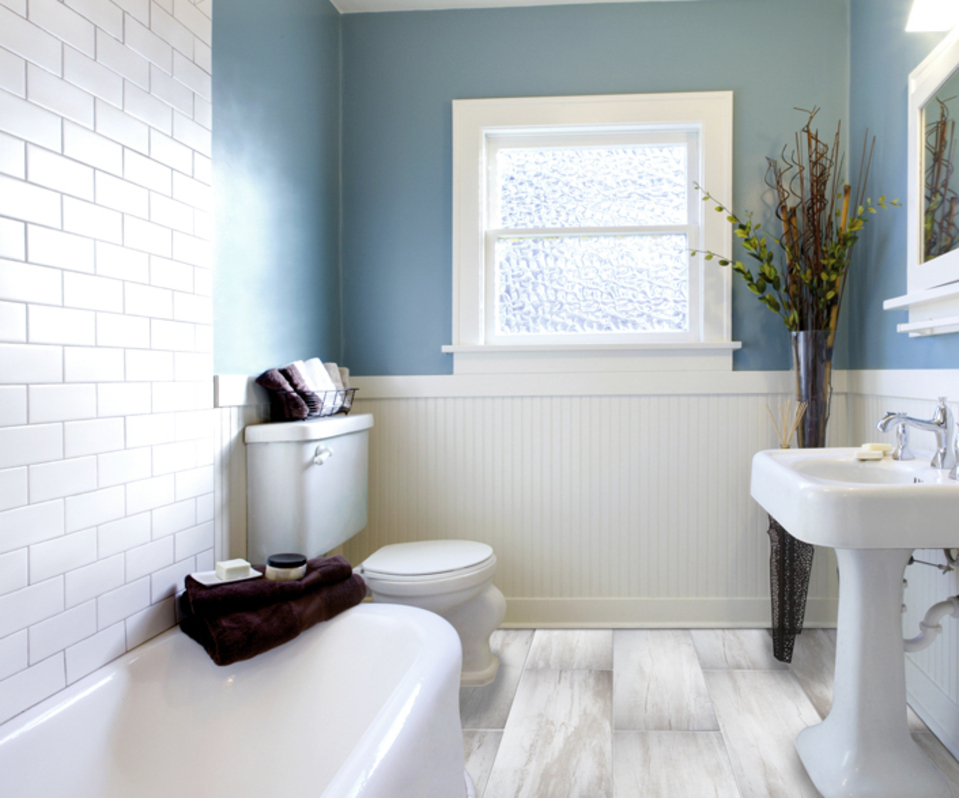
These small, moisture-prone rooms are full of cutouts around toilets, vanities, and tight corners. That can push the per-square-foot cost up. Budget for possible hidden damage, since slow leaks can affect the subfloor.
Bedrooms and Closets
Bedrooms are usually more flexible when it comes to flooring choices because they tend to see less moisture and traffic. Carpet adds softness, while vinyl or laminate can be easier to clean. Include closets in your measurements, so the quote covers the whole project.
Hallways, Stairs, and Entries
Narrow spaces and doorways mean more cutting and fitting. Stairs are their own category, because every tread and riser is measured and finished by hand. Ask for stairs as a separate line item so they don't blur the rest of the budget.
Which Affordable Flooring Options Work Best for Each Room?
The best affordable flooring options match the room's conditions and your appetite for upkeep. A few starting points:
Bedrooms and offices: Carpet adds comfort, while laminate gives you the wood look at a friendlier price than many hardwood options.
Wet, high-use spaces: Tile may cost more up front, but it's built for durability.
Kitchens, baths, and basements: Vinyl is often a strong fit for its water-resistant construction.
Busy family areas: Think about pets, kids, and rolling chairs when you decide what "durable" means for you.
Also ask about repairability. Some floors allow plank replacement, while others are harder to patch invisibly.
What Should You Include in a Flooring Budget?
A solid flooring budget covers more than the material. Build yours around this list:
- Measured square footage for every room, closet, hallway, and stair.
- A waste allowance for cuts and future repairs.
- Removal and disposal of the existing floor.
- Subfloor inspection and prep.
- Underlayment or a moisture barrier, if the product calls for it.
- Trim, baseboards, transitions, and thresholds.
- Flooring labor costs for the specific layout.
- A contingency cushion for hidden damage or layout surprises.
How Can You Compare Flooring Quotes Accurately?
Compare quotes by matching the scope line by line. One bid may look lower because it leaves out trim, disposal, or floor prep, while another may be higher because it includes everything.
Ask each installer the same questions:
- Does the price include removal and disposal?
- Is underlayment included?
- Are transitions, baseboards, and furniture moving covered?
- What could change the price after work begins?
- Do warranty terms depend on professional installation?
An itemized estimate makes these answers easy to see. Empire Today® offers an All-Inclusive Price Estimate▲ , which can make side-by-side comparison simpler.
Recap: Think Total Installed Cost
Flooring installation cost comes down to the material, the labor, the prep, and the room itself. Compare total installed cost instead of material price alone, choose a floor suited to each space, and ask for itemized quotes.
If you live in one of the Empire® service areas, you can schedule a FREE in-home estimate and a flooring professional will bring samples to your home and talk through your rooms and budget. Want more ideas first? Browse the Inspiration Center for more guides!
