


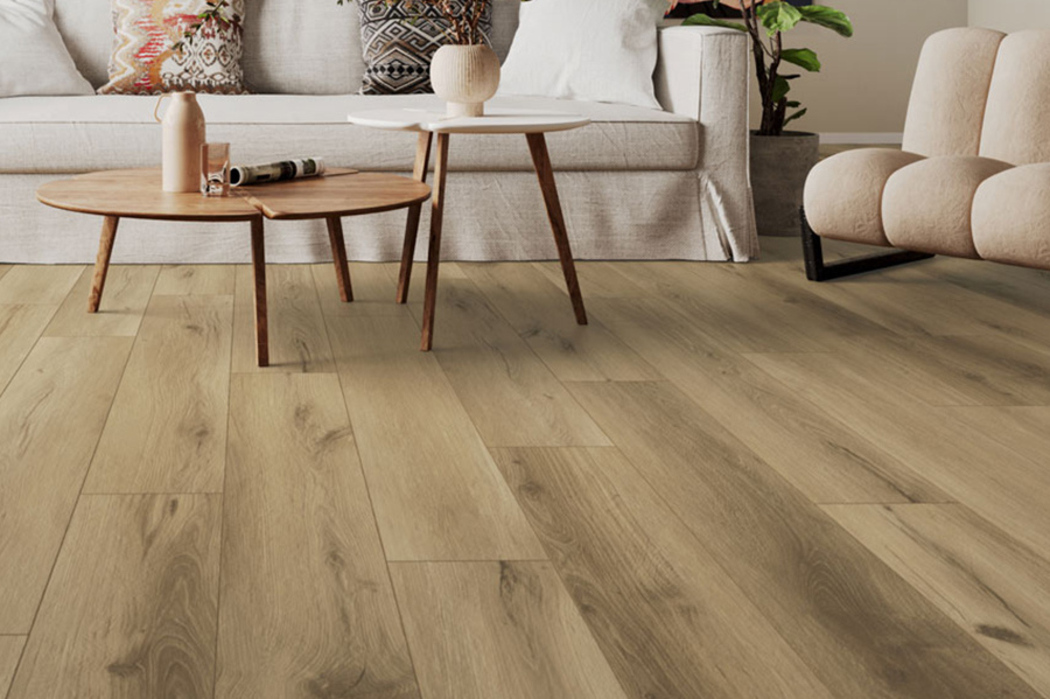
Flooring plays a prominent role in a home's overall appearance. Its condition, color, and consistency between rooms can influence whether a property feels well maintained or in need of updates.
Can new flooring increase a home's value? It may, but the outcome depends on the existing floors, the materials selected, and the local housing market. New floors may help increase the value of your home, yet a higher sale price or full recovery of your installation cost is not guaranteed. Making a home more appealing to buyers and raising its sale price are related, but they aren't the same thing.
Let's explore what buyers may notice, which flooring options suit different rooms, and when cleaning, repairs, or refinishing may be more practical than replacement.
What Buyers May Notice First When They Walk In
Buyers form an impression quickly, and flooring guides the eye from the entry through the living areas, kitchen, and hallways. Clean, continuous floors can make a home feel larger and more polished. Dated or inconsistent floors can make it feel like a to-do list.
Here are the details that tend to catch a buyer's attention:
- Overall condition: Floors that look clean, current, and cared for can help a home feel well maintained.
- Odor and freshness: Older carpet can hold onto smells, while fresh floors can help a room feel cleaner.
- Flow between rooms: Too many different floor types can make a home feel chopped up.
- Color and finish: Dark, orange-toned, or glossy floors aren't automatically a problem. What matters is whether the floor complements the home's style, light, and finishes.
- Quality of installation: Consistent seams and appropriate transitions signal careful work.
- Everyday practicality: Buyers often look for surfaces that seem easy to live with, especially if they have pets or kids.
Notice what ties these together. Buyers aren't only judging style, they're quietly asking how much work the house will need after they move in.
Appeal Versus Value: What New Floors Can and Can't Do
When floors feel dated or mismatched, buyers may start tallying up what it would take to change them. Fresh floors can remove that question before it follows buyers from room to room.
That doesn't mean you need the priciest option on the market. A modest home with clean, well-chosen, professionally installed floors can feel more appealing than a fancier one with floors that don't quite fit. Still, flooring alone can't promise a particular sale price, since condition, location, and buyer demand all play a part.
Choosing Neutral, Flexible Flooring
Think of your floors as the foundation of the room, not the loudest voice in it. Warm natural wood tones, soft beige, light brown, greige, and balanced medium shades work with many wall colors and furniture styles. A bold, memorable floor can be wonderful in your own forever home, but it may shrink the pool of buyers who can picture themselves there.
Continuity matters too. Carrying one main floor through open living areas can make the space feel calmer and more spacious. Bathrooms, laundry rooms, and basements may call for different materials, so just make sure transitions look intentional rather than accidental.
Flooring Options to Consider Before Selling
The right pick balances looks, durability, upkeep, and what buyers in your area expect. Here's how the main options tend to fit.
Carpet
Carpet is soft and quiet underfoot, which is why it remains a favorite for bedrooms and cozy spaces. The catch is that it has to look fresh. A clean neutral shade can feel inviting, while carpet that looks tired can work against you.
Hardwood
Hardwood brings warmth and a classic look to living rooms, dining rooms, and hallways. Buyers often respond to it, provided it's well maintained. If your existing boards are in good shape, refinishing may be all you need.
Tile
Tile suits bathrooms, laundry rooms, entries, and mudrooms, especially in warmer climates. If you love the look of natural materials, stone-look flooring offers that character with a practical surface, and the category includes both vinyl and ceramic or porcelain options. Likewise, wood-look flooring can give you the cozy appeal of timber in rooms where real wood may not be the best fit.
Vinyl
Vinyl is a go-to for busy kitchens and family rooms because it's durable, current-looking, and generally easy to care for. Many styles mimic wood or stone convincingly, so buyers often see a polished floor first and a practical one second.
Laminate
Laminate can be a budget-friendly way to refresh a space and get the wood look without a big investment. Some laminate is water-resistant, but suitability depends on the specific product and its installation requirements, so review those details before choosing it for a moisture-prone room. Like every floor here, it looks its best when installed well.
Tip: Match the upgrade to the home. A beautiful new floor in one room beside tired floors everywhere else can make the contrast more noticeable.
When Replacement Makes Sense (and When Repair Is Enough)
Not every older floor needs to go. Repair may be all that’s needed if the flooring is good quality and the issues are minor. Hardwood can sometimes be refinished, tile may only need fresh grout, and relatively new carpet can look better after a professional cleaning. If you go the cleaning route, check with your manufacturer for approved cleaners and methods.
Replacement becomes the stronger choice when cleaning and small fixes can't give you the first impression you want. Look for signs like these:
- Floors that look noticeably dated next to the rest of your updates.
- Widespread wear or discoloration that touch-ups can't even out.
- A patchwork of different floor types that makes the home feel chopped up.
- Carpet that looks flattened and tired throughout.
- Odors that linger after cleaning. Before replacing anything, investigate the source. Pets, moisture, or the subfloor may be the cause, and new flooring on top won't necessarily solve it.
Also look at the bigger picture. If cabinets, trim, paint, and lighting are all dated, floors alone may not transform the home, though they're often one of the most visible updates you can make.
Weighing the Cost Against Your Local Market
Before you commit, compare the total installed cost with the condition of your current floors and what buyers in your area expect. If your floors are in decent shape, a smaller investment such as cleaning, repair, or refinishing may serve you better. If they're worn or damaged, and comparable homes nearby tend to have updated floors, replacement may be easier to justify.
Because the sale price and your return aren't guaranteed, it can help to talk with a local real estate professional about what buyers in your neighborhood respond to. Then set a budget that makes sense for your home rather than stretching for a showpiece.
How to Choose Floors with Resale in Mind
Choosing for resale is a little different from choosing purely for your own taste. You want floors attractive enough to help the home stand out, yet versatile enough that buyers can imagine their own furniture on top of them. A quick checklist can keep you on track:
- Walk the home like a buyer. Start at the front door and note where floors look worn, mismatched, or out of step with the rest of the home.
- Think by room. Moisture-prone spaces need different performance than bedrooms or formal living rooms.
- Keep colors flexible. Choose tones that work with your cabinets, trim, wall colors, and natural light.
- Prioritize installation. A budget-friendly material installed well often looks better than a premium one installed poorly. Professional installation is worth considering for that reason.
- Save your paperwork. If you sell soon, buyers may appreciate knowing what's underfoot and how to care for it. Check the product care guidance and check with your manufacturer for approved cleaners.
Want to preview options before you commit? The Empire® floor designer can help you picture different looks in your own space.
Deciding Whether New Floors Are Right for You
So, can new flooring increase your home's value? It may, especially when worn or mismatched floors are the first thing buyers see, but it isn't a guarantee. Floors work best alongside fresh paint, good lighting, and decluttered rooms, which also help listing photos feel brighter. Start by walking your home with fresh eyes. Keep what's in good shape, replace what's holding the space back, and choose neutral, durable materials that suit each room and your local market. Keep transitions smooth, and don't overspend on a single standout area.
If you live in one of Empire's service areas, you can schedule a FREE in-home estimate with Empire Today® and a flooring professional can bring samples to your home and talk through what makes sense for yours. Want more ideas while you plan? Browse the rest of the Inspiration Center for design inspiration and flooring guidance!
