


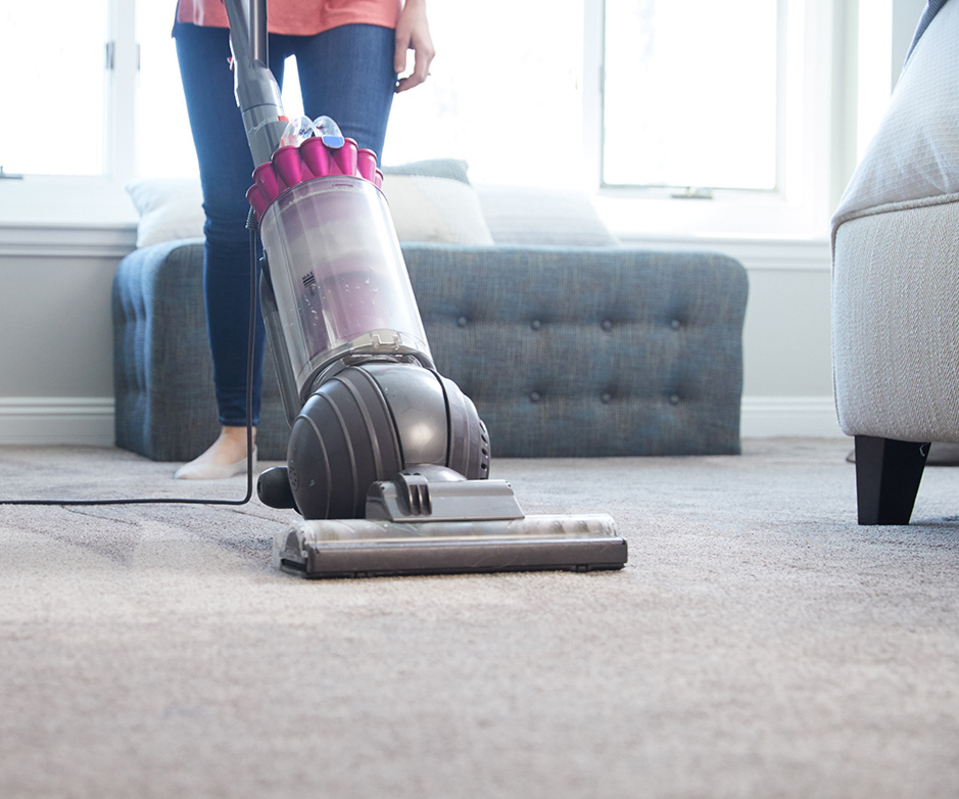
It’s an all-too-common issue for those with allergies: You vacuum the carpets on Saturday, and by Monday the sneezing starts again. Dust drifts across the room, pet dander settles in corners, and your eyes itch the minute you walk in the door. If this sounds familiar, your flooring may be part of the problem. Thankfully, choosing the right flooring material can make it easier to manage.
So, what is the best flooring for allergy sufferers? Let's explore which surfaces make life easier on sensitive noses, and how to match one to your household.
can make cleaning faster and easier, since carpet fibers can hold onto those particles.
Why Does Your Floor Matter for Allergies?
Your floor is one of the largest surfaces in your home, and it collects whatever settles out of the air, along with what comes in on shoes and paws. Dust mites, pet dander, pollen, and mold spores all end up on your floors.
Soft, textured surfaces can hold onto these particles. Every footstep may stir them back into the air. A smooth, hard surface gives them less to cling to, so cleaning is more likely to remove them rather than stir them back into the air.
No floor can cure allergies. But the right one can make it easier to keep allergens under control, which may help your home feel fresher.
What Makes a Floor Easy to Clean and Allergy-Friendly?
Look for these traits when you shop:
- A smooth, non-porous surface: Allergens settle on top of the flooring, where a damp mop can help lift them away.
- Few seams or tight seams: Gaps and deep grooves collect debris. Fewer of them means less to scrub.
- Moisture tolerance: Floors that handle damp cleaning are easier to keep fresh and less moisture can help limit mold growth.
- Low-maintenance upkeep: A floor you can clean quickly is a floor you'll actually clean often.
Tip: Place a good doormat at each entry. Shoes carry in pollen and all kinds of allergens from the outdoors, so a quick cleaning at the door can reduce what reaches your floors.

Best Tile for Allergy Sufferers
Tile is a top pick for allergy-prone homes. Porcelain and ceramic tile are both made from fired clay, which creates a dense, hard surface that dust and dander are less likely to sink into. It’s an especially smart choice for kitchens, bathrooms, and entryways because of its durable finish and water-resistant construction. Tile is also relatively easy to clean, which can help keep allergens under control.
Of course, tile is not the perfect flooring material. Grout, the cement-based filler between tiles, is porous and can stain easily. Tile can also feel quite cool underfoot, which might not be to everyone’s taste. If that bothers you, area rugs add warmth without turning the whole room into a dust trap.
Another perk of tile is that it can offer all of these benefits with style you’d expect from other materials. Stone-look flooring and wood-look tile can expand your design possibilities without complicating your maintenance needs.
Best Vinyl for Allergy Sufferers
Vinyl is a flexible, budget-friendly option with a high-end feel. Luxury vinyl plank (LVP) is vinyl made to look like wood planks, and luxury vinyl tile (LVT) mimics stone or ceramic. Sheet vinyl comes in large rolls with very few seams.
For the best vinyl for allergy sufferers, consider sheet vinyl or a well-fitted LVP with tight joints. Fewer seams means fewer places for dust and moisture to collect. Many vinyl flooring products are waterproof⁂, which can be helpful in kitchens and baths where spills happen. This also makes them easy to maintain. Simply sweep or vacuum with a hard-floor setting, then damp mop, and check with your manufacturer for approved cleaners.
As an added benefit, vinyl is also softer and a bit warmer underfoot than tile.
It’s important to note that vinyl can dent or scratch when heavy furniture is moved around on it, so use felt pads on furniture legs.
Best Laminate for Allergy Sufferers
Laminate is a manufactured flooring product made of a dense core topped with a photographic wood image; some products also include an attached underlayment. The wood image is covered by a clear wear layer—a tough top coating that helps resist scuffs and everyday wear.
Laminate gives you a hard, smooth surface that is easy to sweep and damp-mop. For the best laminate for allergy sufferers, look for a product with tight, click-together joints and a smooth finish that’s less likely to collect dust between cleanings.
You can get the wood-look flooring style you love without the care that real wood needs. Laminate is less tolerant of standing water, so wipe spills quickly. Some laminate is waterproof⁂, but check the product details with a flooring professional before choosing it for a damp room.
How Should You Clean Floors If You Have Allergies?
Cleaning often matters as much as the floor itself. Follow these steps to keep allergens down:
- Vacuum or dust-mop first. A vacuum with a sealed system and a HEPA filter can help trap fine particles. Check with your manufacturer for approved vacuum settings.
- Damp mop, don't soak. A lightly damp microfiber mop picks up dust that sweeping can miss. Check with your manufacturer for approved cleaners.
- Clean on a steady schedule. Weekly cleaning, or more often during pollen season, can help keep buildup low.
- Wash rugs and mats. Choose washable ones with backing approved for your flooring.

Which Floor Fits Your Household?
Match the floor to how you live:
- Pets in the house: Tile and vinyl tend to handle pet accidents well. Wipe up paws and fur often.
- Kids at play: Vinyl is a bit softer underfoot, and it's kid-friendly for spills and messes.
- Damp spaces: Tile and waterproof⁂ vinyl suit baths, laundry rooms, and basements.
- Open floor plans: Laminate or LVP can carry one look through many rooms.
- Tight budget: Laminate and vinyl are often budget-friendly ways to move away from carpet.
If you're replacing carpet, remember that a hard floor with washable rugs gives you control. You can wash the rugs and leave the floor easy to wipe.
Frequently Asked Questions
What is the best flooring for allergy sufferers?
Tile, vinyl, and laminate are the best flooring for allergy sufferers because their smooth surfaces are less likely to trap dust or dander. You can quickly sweep and damp-mop them. The right pick depends on your budget, moisture needs, and comfort preferences.
Is vinyl or laminate better for allergies?
Both work well. Vinyl, especially sheet vinyl, has fewer seams and handles moisture well. Laminate is firm and easy to wipe but can be less tolerant of standing water. Choose vinyl for damp areas and laminate for dry living spaces.
Is carpet bad for allergies?
Carpet can hold dust, dander, and pollen in its fibers, which may bother sensitive people. Regular vacuuming with a HEPA filter can help. If symptoms are a concern, a hard surface is often easier to keep clean. Talk with your doctor about your needs.
Does tile help with allergies?
Tile can help because its dense, smooth surface gives allergens little to cling to. Grout lines can collect dirt, so sealing and regular cleaning matter.
How often should you clean hard floors if you have allergies?
Aim for weekly cleaning, and more often during high-pollen seasons or if you have pets. A quick dust mop in between can help. Check with your manufacturer for approved cleaners and methods.
Choosing Floors That Are Easier to Keep Clean
The best flooring for allergy sufferers is smooth, hard, and simple to clean. Tile is dense and durable, vinyl is flexible and highly water-resistant, and laminate offers a wood look with tight joints. Pair any of them with a regular cleaning routine and washable rugs.
If you live in one of the Empire® service areas, you can schedule a FREE in-home estimate and a flooring professional will bring samples to your home, so you can see how each option looks in your light. Want more ideas? Browse the rest of the Inspiration Center
